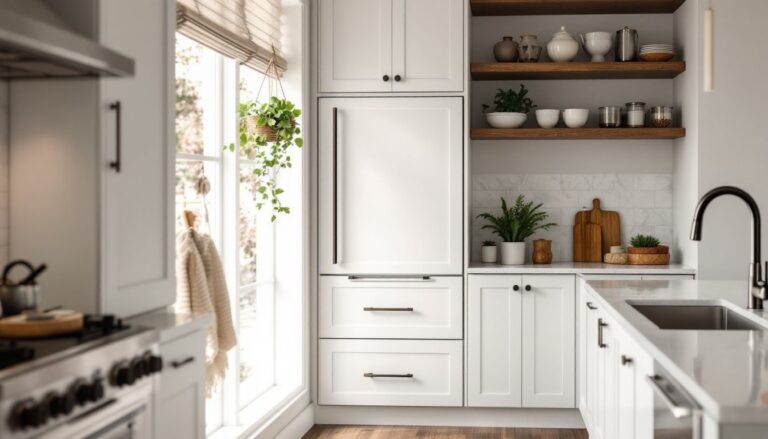
Kitchen countertops take a beating. They’re where you prep meals, set down groceries, and lean while waiting for coffee, every single day. So choosing the right custom countertop isn’t just about aesthetics: it’s about finding materials that’ll hold up to your actual life. Whether you’re replacing worn laminate or upgrading your entire kitchen, custom countertops offer durability, style, and the chance to tailor your workspace exactly how you want it. With 2026 bringing fresh design trends and material innovations, now’s a great time to explore what’s available and what truly works for your household.
Table of Contents
ToggleKey Takeaways
- Quartz and granite are the most popular custom kitchen countertops, with quartz requiring less maintenance while granite offers unique natural beauty, though both vary in price from $30–$100 per installed square foot.
- Butcher block and concrete are modern alternatives that provide warmth and customization but demand regular maintenance like oiling or sealing every 1–2 years.
- Choose custom countertops based on your cooking habits, maintenance commitment, and lifestyle: high-volume cooks benefit from quartz, while design-forward homeowners may prefer concrete or granite.
- Matte finishes, waterfall edges, and two-tone designs are trending in 2026, offering both aesthetic appeal and practical durability for custom kitchen countertops.
- Installation costs for custom kitchen countertops range from $1,500–$6,000 depending on material and complexity, with lead times of 3–6 weeks and professional templating essential to avoid expensive mistakes.
- Protect your investment by using cutting boards, trivets, and coasters daily, and follow material-specific maintenance routines—granite and quartz need sealing every 1–2 years, while butcher block requires monthly or quarterly oiling.
Popular Custom Countertop Materials to Consider
Granite and Quartz: Durability Meets Style
Granite remains a solid choice because it’s a natural stone that’s genuinely tough. Each slab is unique, the color variation and veining pattern you see is literally one of a kind. Granite resists scratches, handles heat well, and ages beautifully. The downside? It’s porous, so it needs sealing every 1–2 years, and it can be pricey (typically $40–$100 per installed square foot depending on quality and location).
Quartz engineered countertops are granite’s lower-maintenance cousin. They’re made from crushed granite bound with resin, so you get the look of stone without the sealing ritual. Quartz is non-porous, resists staining, and comes in consistent colors and patterns you can choose upfront. It’s also slightly more affordable than high-end granite, running $30–$80 per installed square foot. The trade-off is that extreme heat can damage the resin binder, so use trivets under hot pots.
Butcher Block and Concrete: Modern Alternatives
Butcher block, solid hardwood, usually oak, maple, or walnut, brings warmth and texture to a kitchen. It’s forgiving on dropped glassware and feels great to work on. It does require regular oiling (monthly or quarterly, depending on use) to prevent drying and staining. Food safety concerns are overblown: proper oiling keeps it hygienic. Cost runs $25–$60 per installed square foot, making it accessible. Plan on refinishing the surface every 3–5 years.
Concrete offers industrial sleekness and complete customization, you can embed objects, stain it, or polish it to a high shine. It’s durable and holds up to heat if sealed properly. Like granite, concrete needs periodic sealing (every 1–2 years) to resist stains and water damage. Expect $40–$100 per installed square foot, and factor in finding a skilled concrete contractor: this isn’t a typical countertop installer’s bread and butter.
Selecting the Right Material for Your Kitchen Layout and Lifestyle
Start by asking yourself three questions: How much time do you spend cooking? Are you okay with maintenance routines? What’s your budget?
If you’re a high-volume cook with minimal patience for upkeep, quartz wins. It’s durable, resists stains, and requires only soap and water. If you enjoy a living surface and don’t mind regular maintenance, butcher block or granite bring personality and warmth. Concrete appeals to design-forward homeowners who want a statement piece and can handle sealing schedules.
Your kitchen’s layout also matters. Butcher block shines in galley kitchens or smaller prep areas where you’re focused on durability and comfort. In an open-concept kitchen that’s visible from living spaces, granite or quartz provide that finished, high-end look. Concrete works best in modern or industrial design schemes.
Consider your household, too. If you have young kids or renters, quartz’s stain resistance saves stress. If you have a multigenerational home where cooking is central, the warmth of butcher block might justify the maintenance commitment. Families with allergies or food sensitivities often prefer sealed stone over porous materials.
Think also about resale value. Granite and quartz appeal to broader buyer pools. Butcher block and concrete are niche, trendy now, but polarizing. If you’re staying long-term, choose what you’ll enjoy. If you might sell in 5–10 years, stick with classic materials that hold broad appeal.
Custom Design Trends Making Waves in 2026
Waterfall edges, where the countertop material continues down the side of an island or peninsula in one unbroken line, remain popular for their clean, integrated look. They work beautifully with quartz and granite but cost extra because of the additional material and precise fabrication required.
Matte finishes are gaining ground over high-gloss. Honed granite, matte quartz, and sanded concrete feel more tactile and hide fingerprints better. They photograph less “shiny” but feel more livable and contemporary.
Two-tone countertops, pairing a durable material like quartz for the perimeter with a softer material like butcher block for the island, blend aesthetics with practicality. You get warmth and visual interest without making your entire counter maintenance-intensive.
Minimalist edge profiles are replacing ornate ogee or bullnose edges. Straight edges, subtle bevels, or no edge detail at all suit modern kitchens and cost less to fabricate. For design inspiration, explore Houzz’s kitchen remodel collections to see how different materials and edges work in real spaces.
Natural stone veining and texture are celebrated rather than hidden. Slabs with dramatic movement in granite or quartz become focal points. This trend pushes back against the uniform-looking countertops of a decade ago, your surface becomes part of your design story.
Installation Tips and Cost Expectations
Installation requires precision and the right tools. If you’re removing old countertops yourself, understand what’s underneath: laminate usually comes up with a pry bar and heat gun, but tile can require a grinder and serious patience. Granite, quartz, and concrete are heavy (20–30 pounds per linear foot for stone). Most fabricators handle installation, but confirm whether that’s included in your quote.
Templating is critical. A professional templater visits your kitchen, measures cutouts for the sink, cooktop, and backsplash, and creates a template the fabricator uses. Mistakes here are expensive. Don’t skip this step even to save money.
Costs vary by region, material, and complexity. A basic 15–20 linear-foot kitchen with standard edges in quartz runs $2,000–$4,000 installed in most markets. Granite is often $2,500–$5,000. Butcher block is $1,500–$3,000. Concrete, if you find a skilled installer, can be $2,500–$6,000. Waterfall edges, custom cutouts, and premium slabs push prices higher.
Get quotes from at least two local fabricators. Ask whether the quote includes template, removal of old countertops, sink and cooktop cutouts, and sealing (for stone). For more on overall kitchen budgeting, understanding kitchen remodelling cost helps you allocate your total budget wisely.
Lead times have normalized post-pandemic but still run 3–6 weeks for standard materials. If you’re on a tight timeline, ask upfront. Installation itself takes 1–2 days.
Maintenance and Long-Term Care for Custom Countertops
Every material has a maintenance rhythm, and honestly assessing whether you’ll follow it matters.
Granite and Quartz: Both need sealing if porous. Use a granite or stone sealer per product instructions, typically a wipe-on application every 1–2 years. Daily cleaning is simple: warm water, mild dish soap, and a microfiber cloth. Avoid acidic cleaners (vinegar, lemon juice) on sealed stone: they etch the finish over time.
Butcher Block: Oil monthly or quarterly with food-grade mineral oil or a dedicated butcher block conditioner. Wipe it dry after use, leaving water sitting breeds mold or mildew. A light sanding with 120–150 grit sandpaper every few years refreshes the surface. Use cutting boards, not the counter itself, to reduce deep gouges.
Concrete: Seal every 1–2 years with a concrete countertop sealer. Avoid harsh chemicals and acidic foods directly on the surface. Concrete can develop hairline cracks over time as it cures: this is normal and part of its character. If a crack widens, your installer can typically repair it.
For all materials, use cutting boards, trivets under hot pots, and coasters under glasses. These aren’t luxuries, they’re cheap insurance. A cutting board costs $20: a countertop repair costs hundreds.
If you’re considering a full kitchen overhaul including cabinets, appliances, and layout, working with kitchen remodelling companies helps coordinate the entire project so countertops fit into the bigger plan. For daily design inspiration and product sourcing, Remodelista’s curated guides offer ideas for finishes and materials that age well.