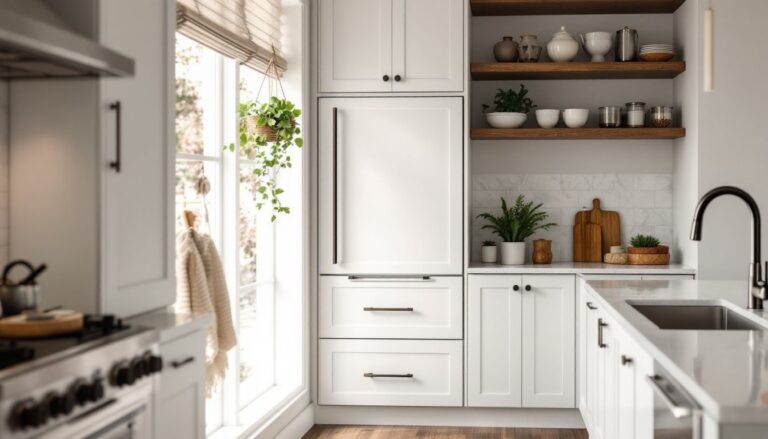
If you’ve walked through a showroom kitchen lately, you’ve probably noticed a shift: traditional stainless steel is sharing the spotlight with a sleeker, bolder cousin, black stainless steel. A black stainless dishwasher isn’t just a cosmetic upgrade: it’s a practical choice that solves real kitchen problems while delivering the contemporary look homeowners crave right now. Unlike chrome or polished finishes that show every fingerprint, water spot, and dust particle, black stainless steel hides smudges and creates a sophisticated visual anchor in modern kitchen designs. This finish has become the standard in higher-end kitchens for a reason, and 2026 is the year more DIY renovators are discovering why it deserves a spot in their own upgrade plans.
Table of Contents
ToggleKey Takeaways
- A black stainless dishwasher combines practical fingerprint resistance with the contemporary aesthetic modern kitchens demand, solving the smudge maintenance issues of traditional stainless steel.
- The matte finish on black stainless steel uses bonded PVD or lacquer coatings that hide dust, water spots, and fingerprints far better than reflective chrome finishes, requiring significantly less daily effort to maintain.
- Black stainless delivers design flexibility by creating visual coherence across metal finishes and allowing cabinetry and countertops to take the design lead, which is why it has become standard in high-end kitchens.
- Routine care for black stainless is straightforward: daily wiping with a damp microfiber cloth, weekly vinegar-and-water treatments, and immediate drying to prevent mineral spots—avoiding abrasive cleaners and steel wool entirely.
- When selecting a black stainless dishwasher, prioritize adjustable rack configurations, soil sensors, quiet operation (45–50 decibels), effective drying technology, and solid warranty coverage over marketing claims alone.
What Is Black Stainless Steel and Why It Matters for Your Kitchen
Black stainless steel is a coating applied to traditional stainless steel substrate, usually a combination of PVD (physical vapor deposition) or lacquer-based finishes that create that deep, matte black appearance. Unlike painted finishes that can chip or peel, quality black stainless uses a bonded layer that resists wear and corrosion far better than cosmetic alternatives.
The real appeal here is practical: it’s still stainless underneath, meaning it resists rust and corrosion just like traditional stainless appliances. But it avoids the fingerprint nightmare that makes standard stainless steel exhausting to maintain in busy households. For dishwashers specifically, this matters because the door gets touched constantly, you’re loading, unloading, adjusting cycles. With black stainless, smudges and water spots become nearly invisible, so your kitchen always looks cleaner with less effort.
There’s also a design argument worth considering. Black stainless works as a visual bridge between contrasting kitchen elements, it pairs equally well with warm wood cabinetry and cool modern minimalism. Many designers leverage this flexibility when planning cohesive kitchen layouts, which is why the finish has gained such traction in the renovation space.
Key Advantages of Black Stainless Dishwashers Over Traditional Finishes
Superior Fingerprint and Smudge Resistance
Let’s start with the obvious: fingerprints. Traditional stainless steel shows every smudge, water spot, and dusty handprint within minutes of wiping. A busy family kitchen can look perpetually grimy unless you’re compulsive about daily cleaning. Black stainless steel forgives casual wear. Dust, water spray from hand-washing at the sink, and fingerprints become visually inconspicuous against the dark matte surface. You’ll still want to wipe spills, of course, but you won’t lose your mind over minor marks.
This resistance comes from both the color and the surface texture. The matte finish (not mirror-polished) diffuses light rather than reflecting it, which means fingerprints lack contrast. A smudge that would be glaringly obvious on chrome-finish stainless basically disappears. For homes with kids, pets, or just the natural chaos of kitchen life, this is genuinely freeing.
Modern Aesthetic Appeal and Design Flexibility
Beyond function, black stainless carries aesthetic weight. It reads as premium and intentional, the visual language has shifted from “industrial kitchen” (traditional stainless) to “contemporary luxury.” That matters if you’re selling or simply want your kitchen to feel current.
Black stainless also solves a design problem that many homeowners face: mismatched metal finishes. A kitchen featuring black stainless steel appliances alongside black handles, black faucets, and matte black accents creates visual coherence. You’re no longer juggling chrome, brushed nickel, and stainless, you’ve got a unified palette. This simplicity is harder to achieve with traditional stainless, which competes visually with nearly every other finish in a modern kitchen. Black stainless recedes slightly, letting your cabinetry, countertops, and lighting take the design lead, which is exactly what high-end kitchens do.
Maintenance and Care Tips for Long-Lasting Performance
Black stainless is genuinely low-maintenance compared to traditional stainless, but it’s not a “set and forget” finish. To keep it looking its best for years, follow these practical steps:
Daily cleaning: Wipe the door with a soft, damp microfiber cloth after use, especially after loading or unloading. This prevents water spots from hard water from accumulating. You don’t need special cleaners, plain warm water works fine for most daily marks.
Weekly care: For stubborn spots or mineral buildup from water, use a 50/50 white vinegar and water solution with a soft cloth. Vinegar is effective, affordable, and won’t damage the coating. Rub with the grain (most black stainless has a subtle directional texture) rather than in circles.
Avoid abrasives: Never use steel wool, scouring pads, or harsh chemical cleaners. These will scratch and dull the matte finish, which is its entire appeal. Stick to soft cloths and gentle solutions.
Dry thoroughly: Hard water spots are the most visible enemy. After wiping, dry the surface with a clean, dry cloth to prevent mineral deposits from water that sits. This takes 30 seconds and makes a huge difference.
Special products (optional but effective): Some manufacturers sell black stainless-specific cleaners that contain oils to enhance the matte finish and add a protective layer. They’re not essential, but homeowners who want maximum shine report good results. Products like Weiman or Therapy black stainless polish run $5–$10 per bottle and last months.
The coating itself is durable, quality black stainless finishes are rated for years of use, but the matte appearance depends on avoiding scratches and keeping minerals off the surface. In hard-water areas, you’ll notice spots more readily, so weekly vinegar wipes become routine rather than occasional.
Top Features to Look for When Selecting a Black Stainless Dishwasher
Beyond finish, choosing the right dishwasher means evaluating performance features that actually matter for your household. Here’s what to prioritize:
Capacity and rack configuration: Standard dishwashers hold 12–14 place settings: some newer models push 15+. More important than raw count is how the racks adjust. Pull-down tines on the upper rack, fold-flat features, and adjustable middle rack sections let you handle odd-sized items (sheet pans, large bowls, wine glasses) without Tetris skills. If you cook regularly or have a larger family, flexibility beats capacity.
Wash cycles and technology: Look for models with soil sensors (they detect how dirty water is and adjust wash time automatically), half-load options (for efficiency), and zone-based washing. Quality dishwashers now have separate spray arms for the upper and lower racks, delivering water exactly where needed. Reviews from established testing sources often highlight which cycle options genuinely matter versus marketing fluff.
Noise level: Dishwashers range from 45 decibels (quieter than conversation) to 55+ decibels (noticeably loud). If your kitchen opens into a living space, a quiet model prevents 8 p.m. dinner wash from dominating the room. Check decibel ratings, not just “quiet” marketing.
Drying performance: Some models use heated drying: others use condensation drying (passive cooling that’s less effective). Stainless steel looks its best when dry, so don’t overlook drying technology. Poorly dried dishes lead to water spots and mineral buildup on the appliance interior.
Energy and water efficiency: ENERGY STAR-certified models use less water and electricity without sacrificing performance. Over 10+ years, you’ll recoup the slightly higher upfront cost through utility savings.
Build quality and warranty: Examine door construction, handle attachment, and internal materials. A solid stainless interior (not plastic) lasts longer. Check the warranty, reputable manufacturers offer 3–5 year coverage on parts and labor, which signals confidence in durability. Comparing options from trusted reviewers can help you spot which brands consistently perform well over time rather than just looking good initially.
Conclusion
A black stainless dishwasher is more than a trendy aesthetic choice, it’s a practical upgrade that solves the fingerprint frustration of traditional stainless while delivering the visual sophistication modern kitchens demand. The finish requires basic care (soft cloth, gentle solutions, regular drying), but that routine pays back in effort saved compared to constantly fighting smudges. When you’re selecting a model, prioritize rack flexibility, quiet operation, and solid warranty coverage alongside the black stainless finish. Done right, this upgrade will keep your kitchen looking intentional and effortless for years.