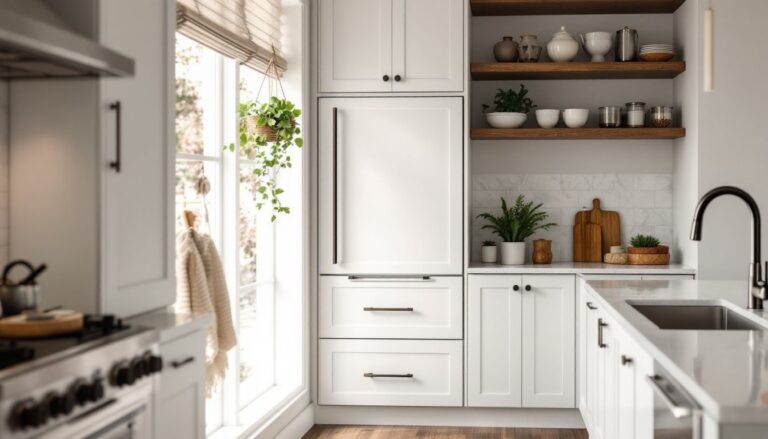
A small kitchen doesn’t mean sacrificing a proper dining space. Whether you’re working with 80 square feet or 150, a well-chosen 4-seat kitchen table becomes the functional heart of your home, a place to eat, work, and gather without overwhelming the room. The right small kitchen table set balances footprint, style, durability, and your actual lifestyle. This guide walks you through measuring, choosing materials, understanding space-saving features, and finding seating that works for your layout.
Table of Contents
ToggleKey Takeaways
- A well-chosen 4-seat kitchen table set serves as the functional heart of a compact home, enabling dining, work, and gathering without overwhelming limited space.
- Standard dimensions for a small kitchen table set include 36–42 inches for round tables, 36 inches for square, and 36 × 48 to 36 × 60 inches for rectangles, with 24–30 inches of clearance needed on all sides for chair movement.
- Drop-leaf and expandable tables are smart space-saving features that let you maximize floor space when not in use while still accommodating four diners during meals or entertaining.
- Tempered glass tops and light wood finishes paired with slim metal legs visually open small kitchens, while solid farmhouse wood brings warmth and ages beautifully over time.
- Stackable or wood chairs 16–18 inches wide work best in tight layouts, and benches on one side cut the seating footprint in half compared to four individual chairs.
- Measuring your kitchen footprint and accounting for ceiling clearance before purchasing prevents a small kitchen table set from crowding your space and ensures intentional, functional design.
Why A Small Dining Table Matters In Compact Kitchens
A dedicated dining table in a small kitchen serves purposes that a bar cart or counter can’t. It anchors meal prep, assignments sessions, game nights, and actual sit-down eating, activities that feel rushed or impossible at kitchen counters. Beyond function, a table that fits well creates a sense of intentional design. You’re not cramming furniture in: you’re choosing the right piece.
Compact tables also set boundaries in open-concept or studio layouts. They define the eating zone without walls or awkward spacing. Equally important: the right table prevents the constant shuffle of moving seats and shifting foot traffic that plagues undersized kitchens. When you measure and plan first (covered next), a 4-seat table can actually open up your kitchen rather than compress it.
Key Measurements & Space Planning For A 4-Seat Table
Start with your actual kitchen footprint, not the overall square footage. Measure the wall or area where you want to place the table, leaving at least 24 to 30 inches of clearance on all sides for chairs to pull out and foot traffic to flow. If you have an island or peninsula, check that the table won’t block sight lines or create a cramped funnel.
For a 4-seat round or square table, expect these industry-standard dimensions: a 36- to 42-inch round table or a 36-inch square table accommodates four people comfortably. A 48-inch round gives you more elbow room but uses more floor space. Rectangular tables run 36 × 48 inches to 36 × 60 inches and work well in narrower kitchens. Drop-leaf or expandable models run 30 × 40 inches when closed, opening to 36 × 48 or beyond, ideal for small spaces that need flexibility.
Height matters too. Standard dining tables are 30 inches tall: chairs sit at 18 inches. Counter-height tables (36 inches) pair with 24-inch stools and feel more casual, they’re popular in kitchens but eat more visual space. Measure your kitchen ceiling too. A table under a low soffit or pendant lights needs at least 36 inches of clearance overhead.
Popular Styles & Materials For Small Kitchen Tables
Modern & Minimalist Designs
Clean-lined tables with slim legs (wood, metal, or a mix) make small kitchens feel larger by not blocking sightlines. Glass or light wood tops reduce visual weight: black or dark metal frames add definition without heaviness. Look for tables in pale ash, whitewashed oak, or natural birch paired with brushed-steel or matte-black legs. These setups suit apartments and contemporary homes and are relatively easy to keep clean.
Material-wise, tempered glass tops are practical for small spaces, they’re durable, easy to wipe, and visually open. Sealed wood tops (like engineered walnut or white oak with polyurethane) handle daily wear but require occasional resealing. Laminate or melamine tops are budget-friendly and forgiving but tend to show seams and wear over 5+ years.
Rustic & Farmhouse Options
Solid wood tables, reclaimed pine, oak, or cedar, bring warmth to small kitchens and age beautifully. A 2-inch thick farmhouse base with a reclaimed top feels substantial but needn’t be oversized. Look for tables with tapered or turned legs rather than heavy pedestals: they’re easier to move and tuck into corners. Natural finishes (unfinished or matte stain) hide scratches better than glossy tops.
You can also build or customize farmhouse tables. Resources like Ana White offer free DIY plans for 4-seat farmhouse tables that cost $150–$300 in materials (plywood, 2×4s, wood stain, hardware) versus $600–$1,200 for ready-made versions. If you have basic tools and a weekend, building is rewarding and lets you dial in the exact dimensions for your space.
Smart Space-Saving Features To Maximize Your Kitchen
Drop-leaf tables are the workhorse of small kitchens. With both leaves down, a 30-inch-wide table leaves open floor space: with leaves up (usually to 36 or 40 inches), it seats four. Butterfly hinges and smooth drop mechanisms mean easy operation daily. Downside: leaves can sag over time if hinges loosen, so check hardware quarterly.
Extendable or expanding tables use apron-mounted slides or removable leaves to grow from 40 to 60 inches. They’re heavier and more complex than fixed tables, so assembly and repositioning takes care. For occasional dinner guests, they’re worth it: for frequent use, a fixed 48-inch table might be simpler.
Nesting tables (a set of two or three smaller tables that stack) let you use one or two for daily dining and pull out a third for guests. They’re trendy in apartments and work well in kitchens that double as living space. Downside: they’re often wobbly and feel less substantial than a single solid table.
Pedestal bases instead of four legs open up knee room and floor space, you can fit an extra chair or squeeze the table into a corner more easily. Watch that single pedestals can be top-heavy: two-pedestal bases (seen in farmhouse styles) are more stable.
All of these features come with tradeoffs in stability, durability, and cost. A simple 4-seat fixed table is the most reliable. If your kitchen truly can’t accommodate a permanent table, consider whether a small space living approach (rolling cart, fold-down wall-mounted table, or banquette seating) might work better.
Choosing The Right Chair & Seating Configuration
Chairs are as important as the table. Mismatched or oversized chairs will ruin a small kitchen layout. Standard dining chairs are 16 to 18 inches wide and need at least 10 inches of legroom under the table apron (the distance from the floor to the tabletop’s underside). Armchairs are wider (20–24 inches) and won’t work in tight spaces, skip them.
Upholstered chairs absorb sound and feel more finished but trap crumbs and spills. In high-traffic small kitchens, wood or metal chairs with removable cushions are more practical. Stackable chairs save floor space when guests leave. Stools at counter height work if your table doubles as a bar or if you’re very tight on space, but true dining is awkward at that height.
Mix-and-match seating (two chairs, two stools, or one bench plus two chairs) is trendy and saves money. Benches on one side halve the footprint versus four individual chairs. Just ensure bench height matches chair height (both 18 inches for standard tables), and leave legroom for people to slide in and out.
Consider how many seats you actually use daily. If three people eat most meals, a 3-seat configuration (two chairs, one stool or bench) is honest and frees up 15–20 square feet. Formal place settings can wait for that rare dinner party. Resources like Fix This Build That show bench-building tutorials if you want to custom-fit seating to your table’s exact length.